




Portugal and Greece run Europe’s two most popular residency-by-investment programmes, and they are the pair we are asked to compare most often. Both deliver Schengen mobility and a route to EU residence for the whole family, but they are built differently, and the right answer depends on what your family is actually trying to achieve.
Here is how the two programmes compare in 2026, area by area.
Figures verified 17 August 2026.
Investment options
Portugal removed property from its programme in October 2023. The mainstream route is now a minimum €500,000 subscription to a CMVM-regulated investment fund (at least 60% invested in Portuguese companies, no residential real estate exposure), with a €250,000 cultural donation route as a lower-cost alternative. Our fund route guide covers the detail.
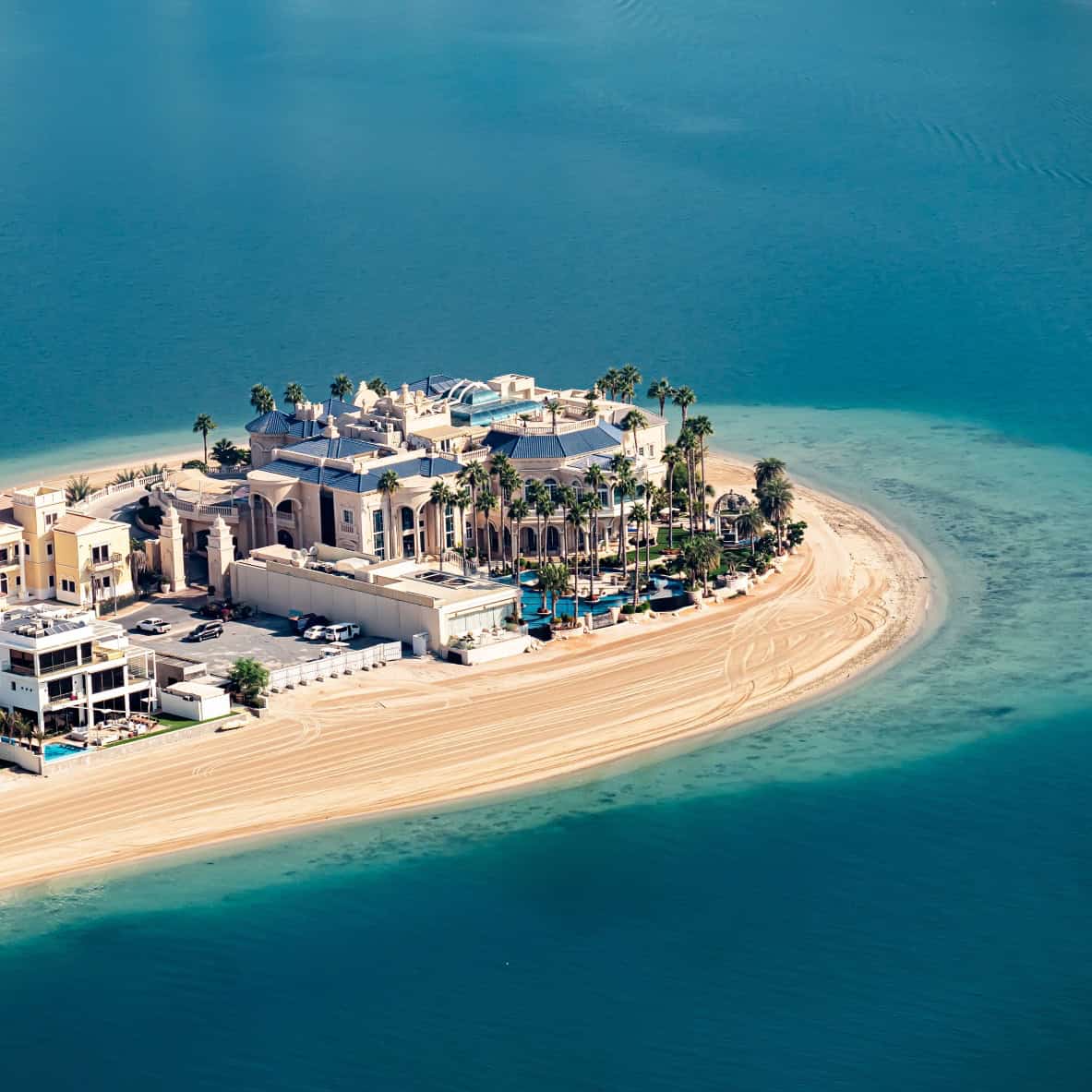
Greece remains a property programme, with tiered minimums: €800,000 in prime locations (greater Athens, Thessaloniki, Mykonos, Santorini and larger islands), €400,000 in most other areas, and a €250,000 tier for specific categories such as renovation projects and commercial-to-residential conversions (thresholds set by Law 5100/2024, checked 17 August 2026). Standard-tier properties generally must be at least 120 square metres, and short-term letting of qualifying properties is restricted.
The choice here is philosophical as much as financial: a diversified, professionally managed fund versus a single, tangible asset you can holiday in.
Stay requirements
Portugal: the Portugal Golden Visa requires an average of around seven days a year of physical presence (seven days in the first year, then fourteen days across each subsequent two-year period). Among European residency-by-investment programmes that impose a stay requirement, it is the lightest, but it is an obligation.
Greece: the Greece Golden Visa has no minimum stay requirement at all to maintain the permit, which makes it the lighter of the two. For investors who genuinely may not visit for years at a time, Greece is the more forgiving structure.
Corrected 17 August 2026: an earlier version of this section described Portugal’s stay requirement as the lightest obligation of any major European programme while correctly noting, in the next sentence, that Greece imposes none. Greece’s zero-stay rule is the lighter obligation; Portugal’s is the lightest among programmes that require presence at all.
Path to citizenship
Portugal: under the 2026 nationality law (Lei Orgânica n.º 1/2026, in force since 19 May 2026), naturalisation requires ten years of legal residence for most nationalities (seven for EU and CPLP nationals), plus A2 Portuguese and a civic-knowledge test. Critically, Golden Visa holders can qualify while spending only the visa’s minimal required time in Portugal.
Greece: naturalisation is possible after around seven years, but it requires genuine, substantive residence in Greece, together with Greek language and integration requirements. An absentee investor holding a Greek Golden Visa does not accumulate a realistic citizenship claim.
This is the sharpest practical difference: Portugal offers a credible citizenship path for non-residents; Greece does not. If an EU passport is the end goal, Portugal remains the stronger candidate despite the longer nominal period.
For who the reform actually protects, including applicants already in the queue, see our analysis of the Constitutional Court ruling of December 2025.
Family coverage
Portugal includes your spouse, children under 18, dependent adult children in full-time education, and dependent parents (parents aged 65 or over are presumed dependent), all under a single qualifying investment.
Greece covers your spouse, children under 21 (permits renewable to age 24 in certain cases), and, more generously than Portugal, the parents of both the investor and the spouse with no dependency test (Law 4251/2014, article 20B, checked 17 August 2026).
The trade-off sits at opposite ends of the family. Greece is broader for parents; Portugal is broader for adult children, who age out of the Greek structure earlier. For planning around university-age children, Portugal’s scope is materially wider; for bringing elderly parents, Greece’s is simpler.
Corrected 17 August 2026: an earlier version described Greek coverage of parents as narrower than Portugal’s. Greek law admits the parents of both spouses without a dependency test, which is broader than Portugal’s dependency-based parent route.
Which family fits which programme
Portugal tends to fit families who want a real path to an EU passport, investors who prefer a regulated fund to concentrated property exposure, and parents planning around university-age children or elderly dependants.
Greece tends to fit investors who want a lower entry point through the €250,000 or €400,000 tiers, families who will actually use a Mediterranean property, and those who value zero stay obligations above a citizenship endgame.
Costs also differ in structure: Greece front-loads costs into the property purchase (plus transfer taxes and fees), while Portugal’s are spread across government fees per applicant, detailed in our 2026 cost breakdown.
Families weighing a wider set of options should start with our guide to retiring and relocating to Europe.
This article is for general information only and does not constitute legal, tax or investment advice. Programme rules change; always confirm current requirements before committing.

Torn between Portugal and Greece? Tell us what you are trying to achieve and we will show you, side by side, which route serves your family better. Start with a private conversation.

Author

Author

Author

Author

Author
Tom Purdy
Founder & Managing Director
- Adviser Profile
- Adviser Profile
- Adviser Profile
- Adviser Profile
Head of Cross-Border Financial Planning
Head of Marketing
Head of Business Development, Americas
Financial Director